Why You Can't Fall Asleep: 7 Real Reasons (And What Actually Helps)
May 08, 2026
You're exhausted. You've been counting down to bedtime since 3pm. Then your head hits the pillow and somehow your brain wakes up - scrolling through tomorrow's to-do list, replaying a conversation from last week, suddenly wide awake at 11pm, midnight, 2am.
If this sounds familiar, you're in good company. Sleep struggles are one of the most common health complaints among women in New Zealand and Australia, and the reasons usually have nothing to do with willpower.
Here are seven of the most common reasons you can't fall asleep, what's actually happening in your body, and what genuinely helps.
1. Your cortisol is high when it should be low
Cortisol is your stress hormone, and it's supposed to follow a daily rhythm: high in the morning to wake you up, gradually declining through the day, lowest at night so you can sleep. Under chronic stress, it stops following that rhythm. It stays elevated into the evening, or worse, spikes around 2 to 4am and wakes you up.
The classic sign is what experts call "wired but tired" - your body is exhausted, but your brain feels switched on. Anxious, jittery or strangely alert just when you should be winding down.
This is where most sleep supplements miss the mark. Synthetic melatonin tells your brain it's night (and often leaves you groggy in the morning). Magnesium relaxes your muscles. Neither addresses cortisol directly, which is why so many women try the standard fixes and still can't fall asleep.
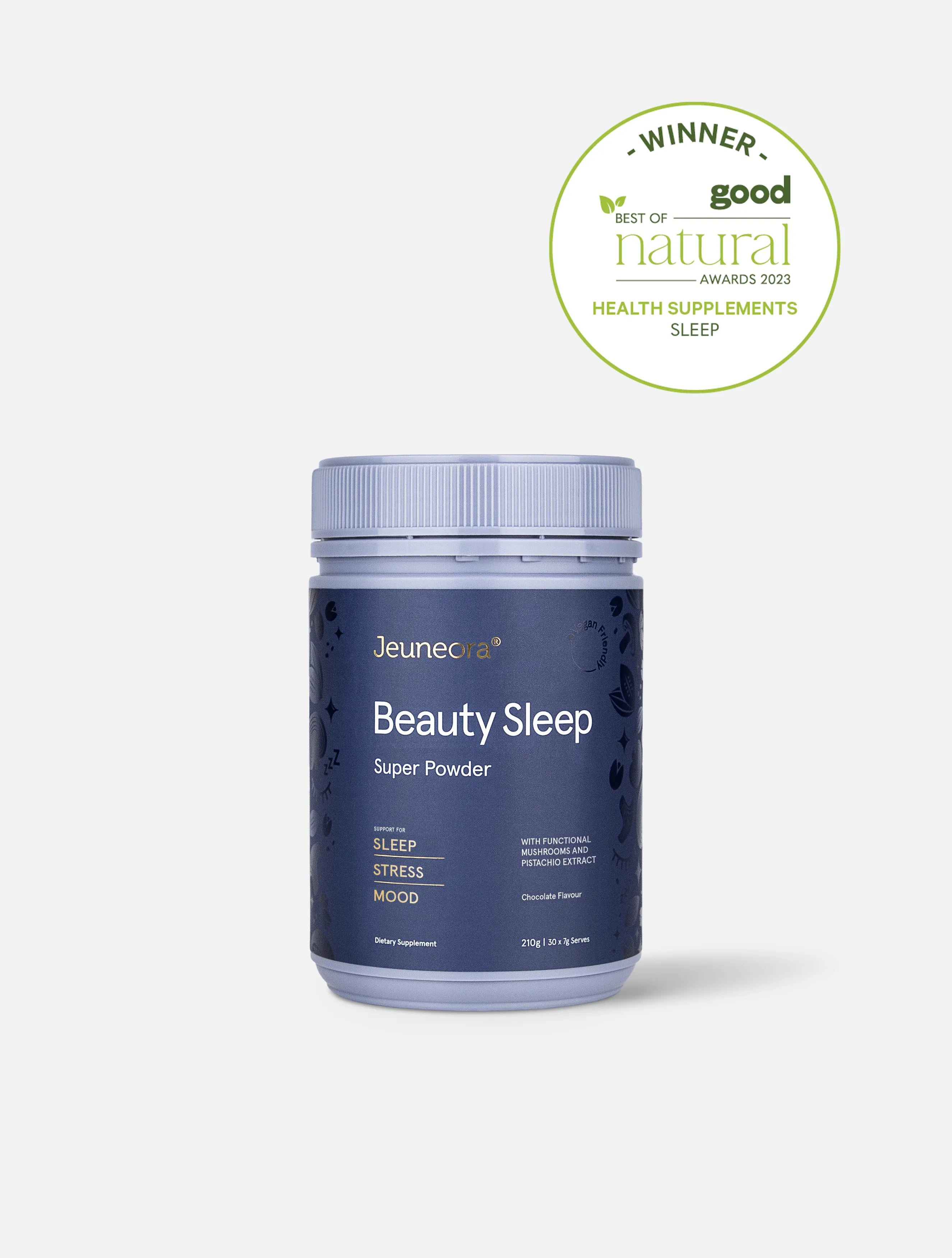
Beauty Sleep was formulated for this pattern. It uses pistachio extract alongside a blend of adaptogenic mushrooms - reishi, shiitake and maitake. Reishi has been studied for its ability to support healthy cortisol balance and increase non-REM sleep over time. It's not a sedative. It works with your body's stress response rather than overriding it, which is why it tends to work for women who've found nothing else does.
What helps: a wind-down ritual that genuinely lowers cortisol. Beauty Sleep as a warm drink 30 minutes before bed, dim lighting from 8pm onwards, and avoiding work or stressful conversations after dinner.

2. Your hormones are shifting (especially if you're 35+)
If you used to sleep fine and now you don't, hormones are often the reason. Progesterone, the calming hormone that helps you wind down and stay asleep, starts dropping in your mid 30s and falls more sharply through perimenopause. Oestrogen fluctuates wildly during this time too, which affects melatonin production, body temperature and how sensitive you are to cortisol.
Around 56% of perimenopausal women report ongoing insomnia, and many describe it as one of the hardest symptoms to manage.
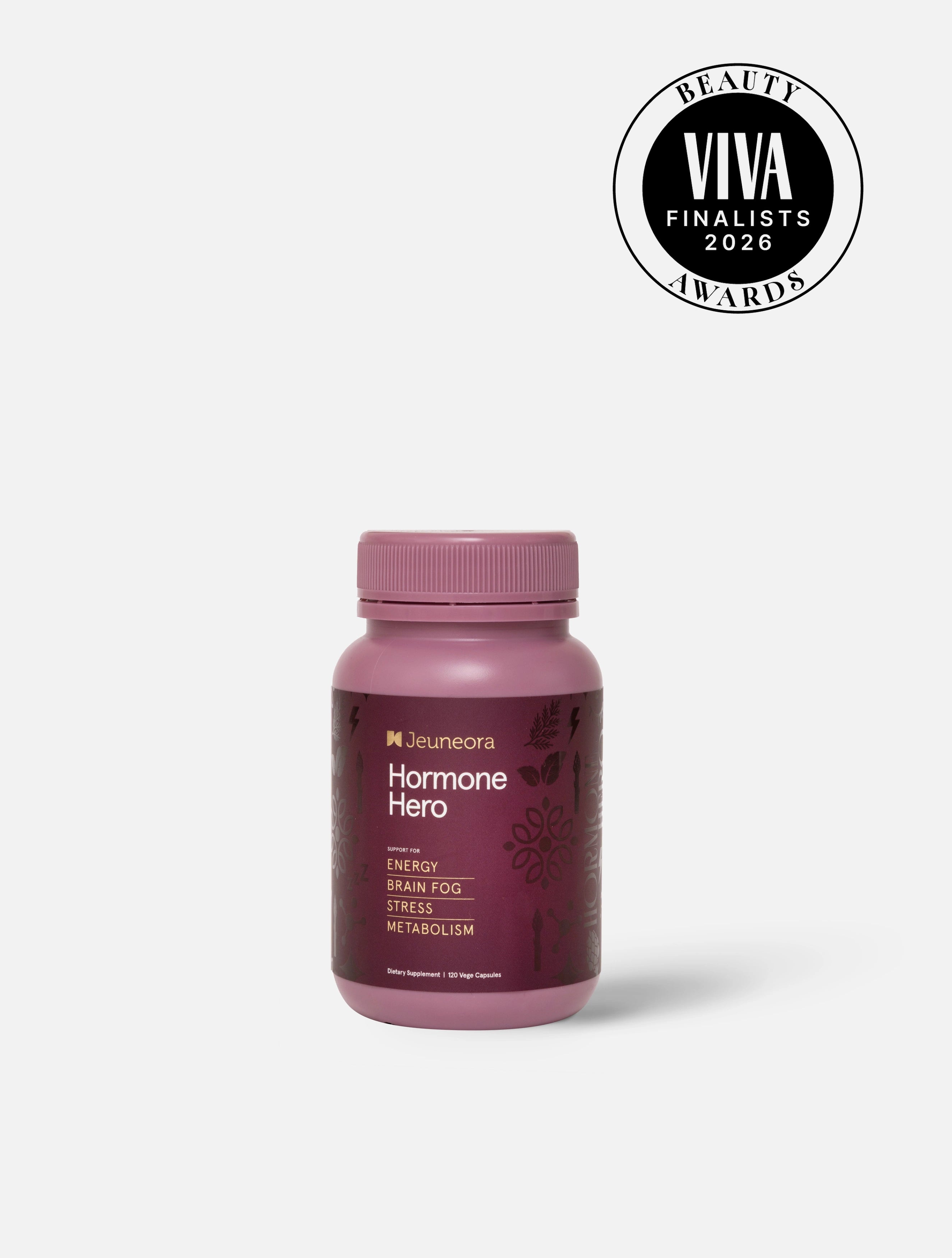
Hormone Hero was developed by our founder Monique from her own experience navigating perimenopause. It delivers 320mg of magnesium bisglycinate per serve (the full New Zealand RDI for women), plus chaste berry and shatavari for hormonal balance, Fermodiola® for stress resilience and Bluenesse® for mood and calm.
Taken in the morning, it works as the daytime complement to Beauty Sleep in the evening. The magnesium alone is worth the morning serve - it's one of the most well-researched minerals for sleep quality, muscle relaxation and calming an overactive nervous system, and most women in New Zealand and Australia don't get enough of it through diet alone. Hormone Hero in the morning, Beauty Sleep at night - your hormones supported across the full day, which is what genuinely shifts sleep patterns long-term.
What helps: targeted hormonal support, full-RDI magnesium, and keeping your bedroom cool. For the deep dive on why perimenopause specifically wrecks sleep, our guide to why women sleep worse in perimenopause covers the progesterone and cortisol shifts that drive it. Our guide to collagen for menopause covers more of the hormonal story.
3. Your gut microbiome is out of balance
Your gut and your sleep are in constant conversation. Your gut bacteria help produce serotonin (which becomes melatonin) and influence how well your nervous system regulates between active and resting states. When the microbiome is out of balance, both your sleep and your skin tend to suffer.
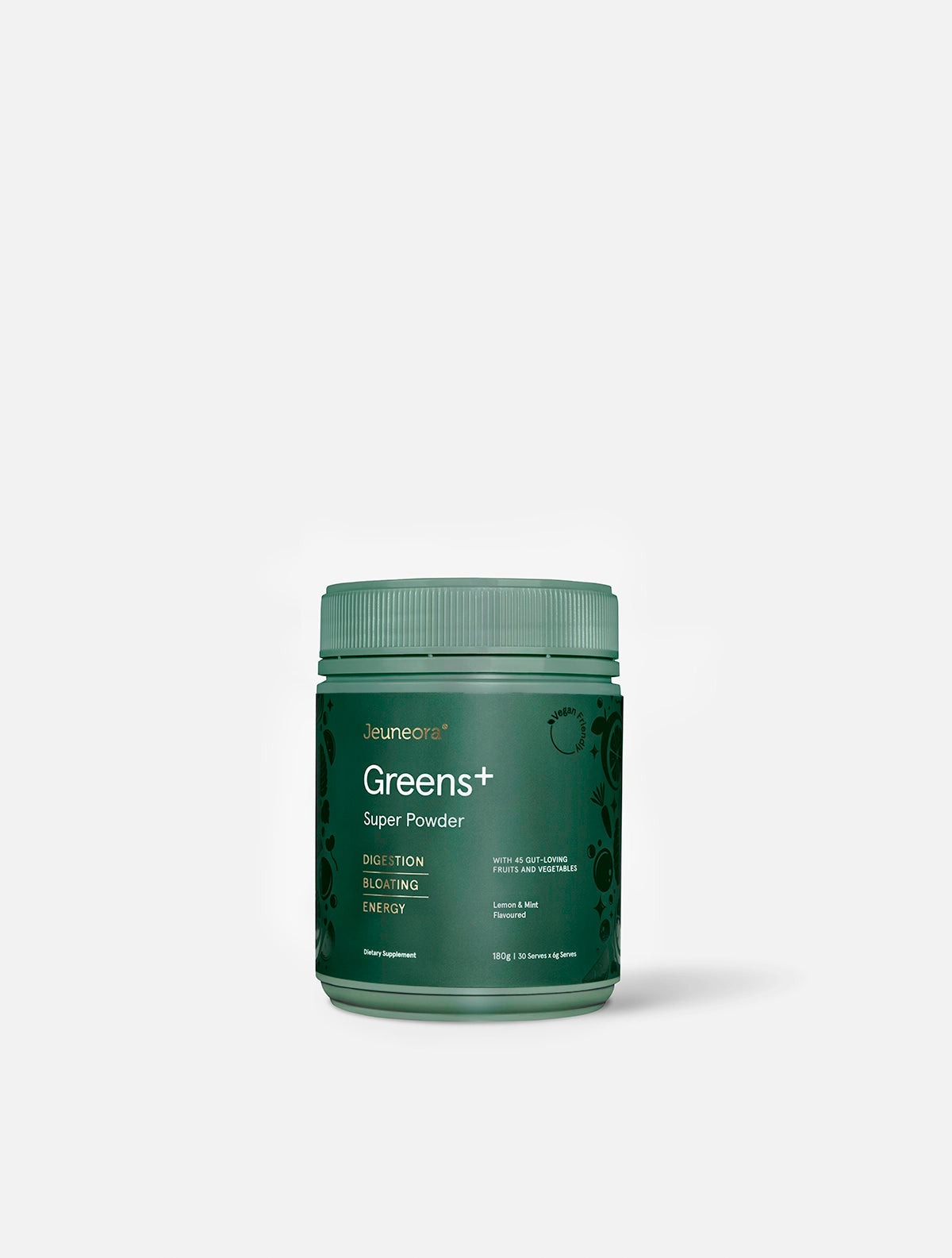
A daily prebiotic and greens supplement like Greens+ delivers 45+ nutrient-dense ingredients including prebiotics that feed your beneficial gut bacteria. Our gut-skin connection guide goes deeper.
What helps: more fibre and fermented foods, prebiotic support, and finishing eating 2-3 hours before bed so your gut isn't actively digesting when you're trying to sleep.
4. You're eating or drinking too late
Caffeine has a half-life of 5 to 6 hours, which means a 3pm coffee still has half its kick at 9pm. For slow caffeine metabolisers, it lingers even longer. Alcohol is the other big one - it can help you fall asleep, but it disrupts the deep, restorative stages of sleep later in the night, which is why you wake up feeling unrested even after eight hours in bed.
What helps: cut off caffeine by midday, finish dinner 2-3 hours before bed, and limit alcohol on weeknights (or keep it to one drink with dinner rather than later).

5. Your screens are messing with your melatonin
The blue light from phones, laptops and TVs suppresses melatonin production, the hormone that tells your brain it's time to sleep. But it's not just the light. Scrolling itself is mentally activating, and the dopamine hits from social media keep your brain in alert mode well after you've put the phone down.
What helps: a phone curfew (even 30 minutes is better than nothing), warm dim lighting in the evening, and a non-screen wind-down you actually enjoy. Many women in our New Zealand and Australian community describe a warm cup of Beauty Sleep as their first non-negotiable evening ritual - five minutes to themselves, away from screens.
6. Your bedroom isn't set up for sleep
Your core body temperature naturally drops as you fall asleep, and a bedroom that's too warm makes that harder - a real issue in older Kiwi and Australian homes with heat pumps, log burners or thinner curtains. Light is the other factor: even small amounts from streetlights, alarm clocks or your partner's phone can suppress melatonin.
What helps: aim for around 18 degrees in the bedroom, blackout curtains or an eye mask, no electronics charging beside the bed, and breathable cotton or linen bedding.
7. Your nervous system is stuck in "go" mode
This is the racing mind problem. You're physically tired. Logically, you should be asleep. But your brain is going at a hundred miles an hour - tomorrow's tasks, conversations you should have had differently, that thing you forgot to do.
What's happening physiologically is that your nervous system hasn't transitioned out of the sympathetic ("fight or flight") state into the parasympathetic ("rest and digest") state. For women juggling work, family and constant low-grade stress, this transition often doesn't happen automatically anymore. You have to actively help your body get there.
Adaptogenic mushrooms work particularly well here. Reishi (the hero mushroom in Beauty Sleep) has been shown to support GABA pathways - the brain's natural "off switch" - while calming the stress response.
What helps: a 10-minute wind-down (warm drink, dim lights, slow stretch or breathwork), writing down whatever's on your mind so your brain can let it go, and consistent bedtime cues your body learns to recognise over time.
What about collagen at night?
It's a question we get a lot, and the answer is yes. Sleep is when your body does its deepest repair work, including skin renewal and collagen synthesis. An evening collagen serve gives your body the building blocks it needs at the exact time it's most active in repair mode.
Naked Collagen is the perfect evening pairing - 100% pure marine collagen peptides, no extras, and it stirs into a warm Beauty Sleep without changing the taste. The collagen supports overnight repair while the Beauty Sleep helps lower cortisol. One cup, both jobs done. For a deeper look at why evening collagen makes sense for your body, our guide to the benefits of taking collagen at night breaks it down. For the full picture on how marine collagen works, our complete guide to marine collagen benefits covers the research.
When to see your GP
Most sleep issues respond well to lifestyle changes and the right nutritional support. But some patterns are worth getting checked. Talk to your GP if you snore loudly and pause breathing during sleep (possible sleep apnoea), if you're consistently exhausted despite enough hours in bed, or if sleep issues come with persistent low mood, weight changes or unexplained fatigue. Iron deficiency, thyroid issues, sleep apnoea and anxiety or depression can all present as insomnia, and they're easy to test for with simple blood work.
Chronic insomnia (trouble falling or staying asleep at least three nights a week for three months or more) is also worth a conversation, particularly if it's affecting your day-to-day functioning.
A simple evening routine that actually works
Better sleep doesn't come from doing one thing perfectly. It comes from stacking small signals that tell your body it's time to rest:
- Cut caffeine by midday and limit alcohol on weeknights
- Finish eating 2-3 hours before bed so your body isn't actively digesting
- Dim the lights from 8pm to support natural melatonin production
- Wind down with Beauty Sleep about 30 minutes before bed - warm, comforting and formulated for the cortisol piece
- Stir Naked Collagen into your Beauty Sleep while your body's in deep repair mode
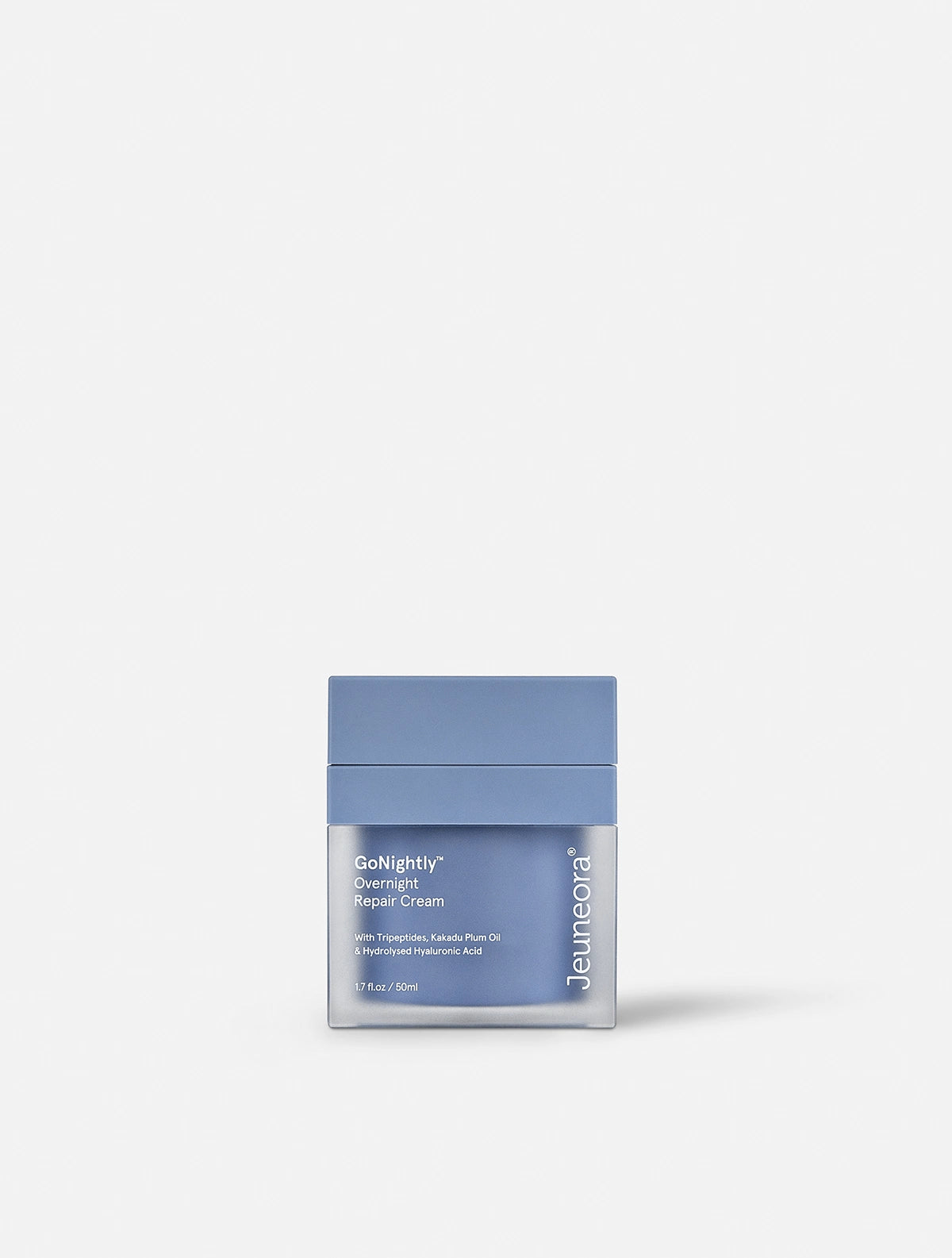
- Finish with GoNightly on freshly cleansed skin so it can do its repair work overnight
- Cool the bedroom to around 18 degrees and keep it dark
- Phone out of the bedroom if you can manage it
If hormones are part of your story, layer Hormone Hero into your morning routine. The 320mg of magnesium plus hormonal botanicals work as the daytime complement to Beauty Sleep at night - the morning and evening pairing your body actually needs. Navigating postpartum sleep disruption? Our postpartum recovery guide covers what tends to help.
The bottom line
If you can't fall asleep, you're not broken. The reasons are usually a mix of cortisol, hormones, gut health, lifestyle and environment, and most of them respond to small, sustainable changes layered consistently over time.
The single biggest unlock for most women is addressing cortisol directly. That's the piece most sleep advice misses, and it's why the standard fixes often don't work. And if the sleepmaxxing trend has you eyeing mouth tape and trackers, our honest guide to whether sleepmaxxing is worth it sorts what genuinely works from what's just content.
Ready to build a sleep routine that works? Explore the Jeuneora Sleep Collection and find the pieces your body has been asking for.