The Gut-Skin Connection: Why What's Happening Inside Shows on the Outside
April 14, 2026
You can have the best skincare routine in the world, but if your gut isn't happy, your skin will find a way to tell you. Breakouts that won't clear. Redness that comes and goes. A dull, tired complexion that no amount of serum seems to fix. Sometimes the answer isn't on your bathroom shelf. It's in your gut.
The connection between gut health and skin health is one of the most exciting areas of wellness research right now, and the science is catching up to what many women have suspected for a long time: what's happening on the inside shows up on the outside.
What is the gut-skin axis?
The gut-skin axis describes the two-way communication pathway between your digestive system and your skin. Your gut is home to trillions of microorganisms (your gut microbiome) that do far more than help you digest food. They regulate your immune system, manage inflammation, produce essential nutrients and maintain the integrity of your gut lining.
When your microbiome is balanced and diverse, these processes run smoothly. But when things fall out of balance (a state called dysbiosis), the effects ripple outward. Increased intestinal permeability can allow inflammatory molecules into your bloodstream, triggering immune responses that show up far from your gut, including on your skin.
Around 70% of your immune system is located in your gut. So when your gut is inflamed or out of balance, your skin is often one of the first places you'll see it.
What does an unhappy gut look like on your skin?
The gut-skin connection doesn't always show up as a dramatic breakout. Often the signs are subtler, and they're easy to blame on the wrong skincare product or "just getting older."
Persistent breakouts or acne. Research has found that people with acne often have a less diverse gut microbiome. Gut-driven inflammation can increase sebum production and feed the cycle of congestion and breakouts.
Redness, sensitivity and rosacea. Studies show a strong association between gut conditions like irritable bowel syndrome and skin conditions like rosacea. If your skin reacts to everything, the trigger may be systemic rather than topical.
Dryness and a weakened skin barrier. Your gut bacteria produce short-chain fatty acids (SCFAs) that help regulate inflammation and support barrier function throughout your body, including your skin. When SCFA production drops, your skin barrier can weaken. Environmental factors compound it too, particularly in winter when cold air and indoor heating add further pressure on your skin. Our guide to winter skincare in New Zealand covers exactly what changes and how to adapt.
Dullness and premature ageing. Chronic low-grade inflammation from the gut can accelerate the breakdown of collagen and elastin. If your skin looks tired despite adequate sleep and hydration, gut-driven inflammation may be working against you.
Eczema flare-ups. Research consistently links reduced gut microbial diversity to eczema. Strengthening the microbiome through prebiotics has shown promise in improving symptoms by reducing inflammation and supporting the skin barrier.
Why modern life makes it harder
Modern life actively works against a healthy gut microbiome. Low fibre intake starves your beneficial bacteria of their primary fuel source. Chronic stress alters microbiome composition and increases intestinal permeability. Processed foods and sugar feed less helpful bacteria at the expense of protective strains. Antibiotics can wipe out beneficial bacteria alongside harmful ones. And disrupted sleep patterns change your gut microbiome composition, creating a cycle where poor sleep leads to gut imbalance, which in turn affects your skin and your ability to sleep well.
The result? Many of us are walking around with a gut that isn't functioning at its best, and our skin is quietly paying the price.
How to support your gut for better skin
The good news is that your gut microbiome responds quickly to positive changes. Research shows that dietary shifts can begin to alter microbiome composition in as little as 24 hours, though lasting change happens over weeks and months.
Eat more plants, and eat a wider variety. Diversity in your diet drives diversity in your microbiome. Aim for a wide range of fruits, vegetables, legumes, wholegrains, nuts and seeds.
Prioritise prebiotic foods. Prebiotics are specific fibres that feed your beneficial gut bacteria. Garlic, onions, leeks, bananas, oats and legumes are all rich sources. Including these regularly helps your good bacteria thrive and produce the anti-inflammatory compounds your skin relies on.
Include fermented foods. Yoghurt, kefir, kimchi, sauerkraut and miso all introduce beneficial bacteria. Regular consumption has been shown to improve microbial diversity and reduce inflammatory markers.
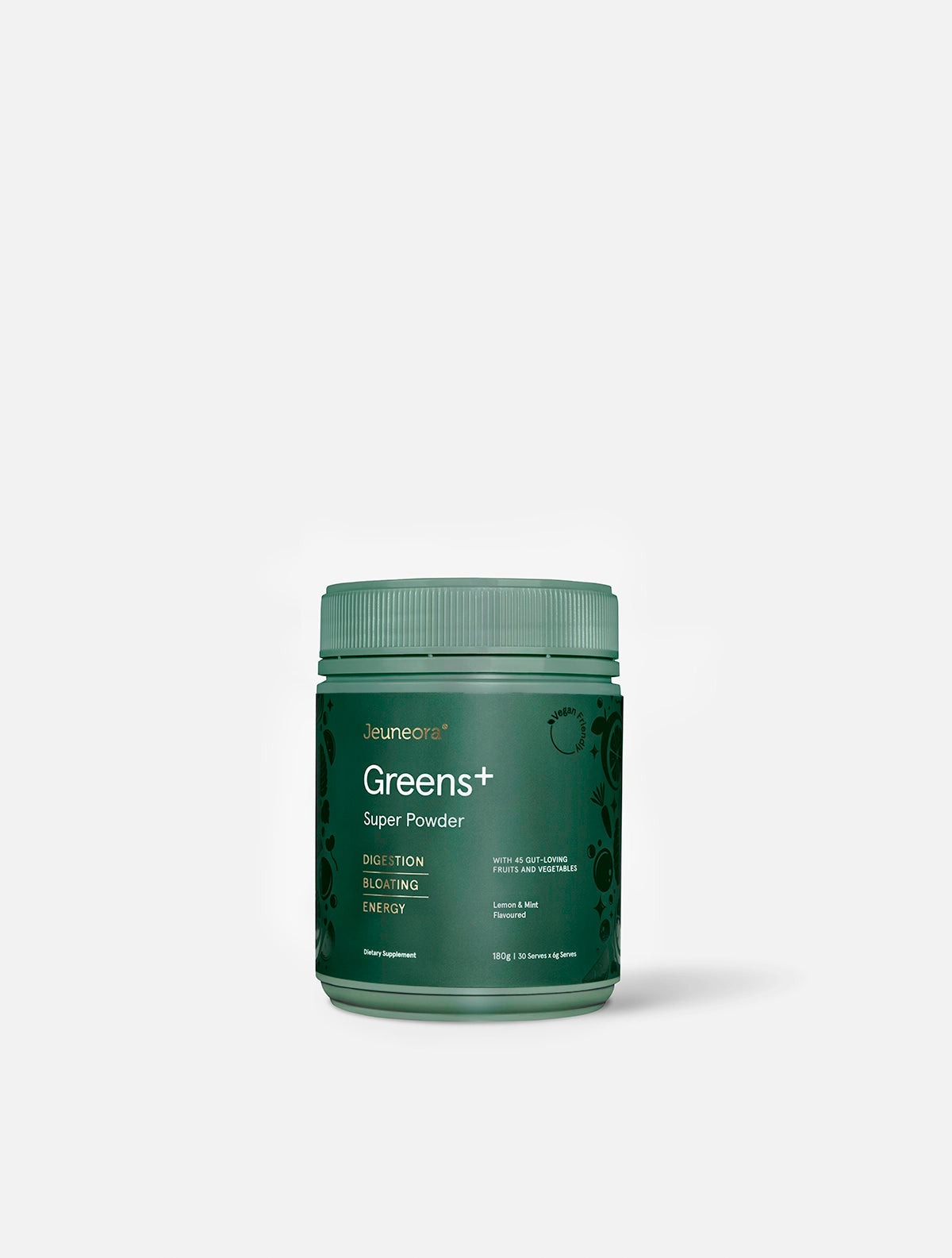
Fill your nutritional gaps. Even with a good diet, it's hard to consistently hit the fibre, vitamin and mineral levels your gut needs. Greens+ delivers 45+ nutrient-dense ingredients in a single serve, including prebiotics, plant-based superfoods and bioavailable vitamins. When your gut needs consistent support, a daily greens supplement is one of the simplest things you can do.
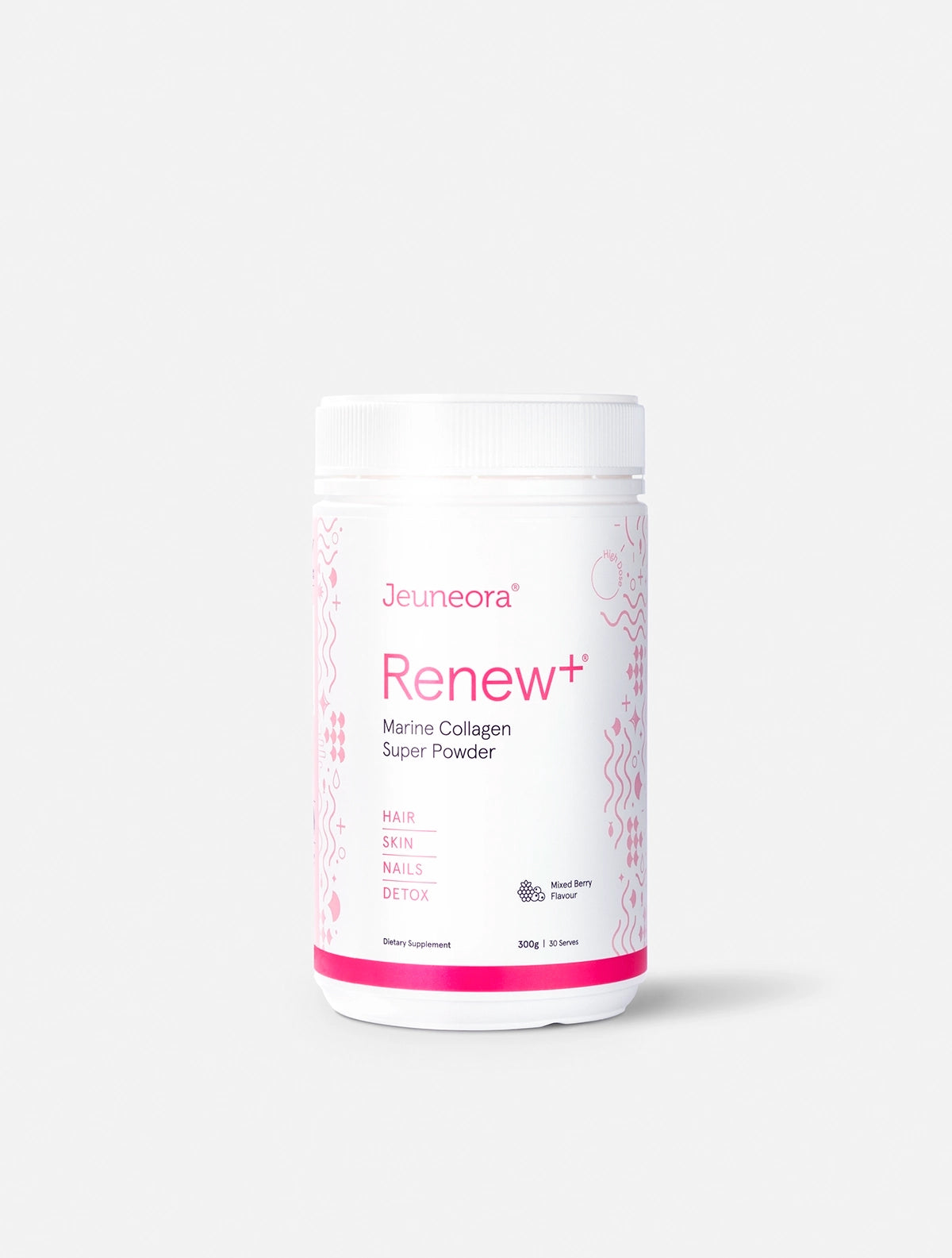
Support your collagen. The gut-skin connection also affects your structural proteins. When gut inflammation is high, collagen breakdown accelerates. A daily marine collagen like Renew+ provides the amino acids your skin needs for firmness and hydration, while the bromelain in the formula supports digestive comfort. The amino acids glycine and proline, both abundant in collagen, also play a role in supporting gut lining integrity. For more on the science behind marine collagen, our complete guide to marine collagen benefits covers the research in detail.
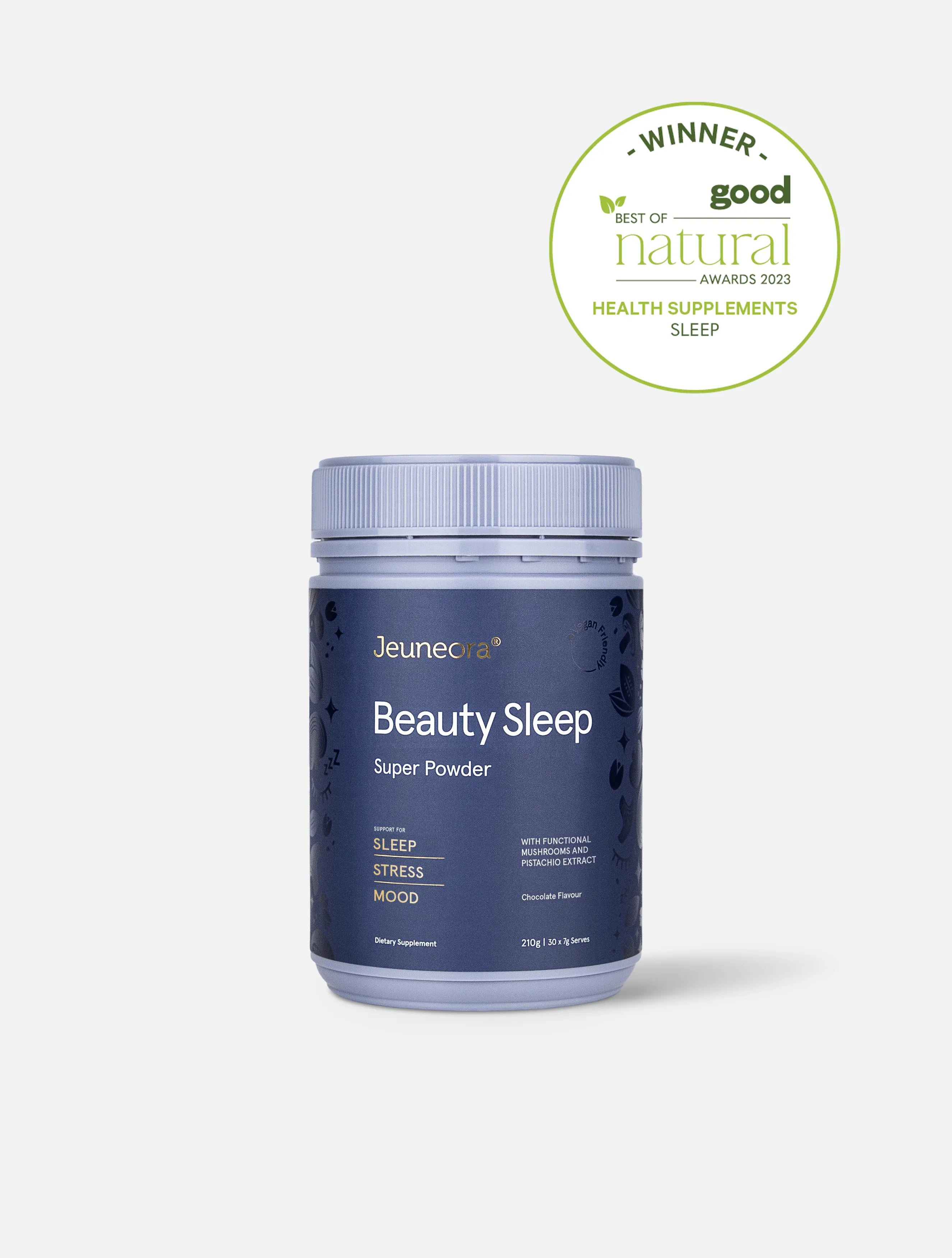
Prioritise sleep. Sleep directly influences your microbiome, and your microbiome influences your sleep. Beauty Sleep is formulated with pistachio extract and adaptogenic mushrooms (reishi, shiitake and maitake) to help you unwind and fall asleep naturally. If you're struggling to fall asleep at all, our guide to why you can't fall asleep walks through the cortisol, hormone and lifestyle reasons behind it. Better sleep means a happier gut, and a happier gut means healthier skin.
The GLP-1 connection
If you're on a GLP-1 medication like Ozempic, Wegovy or Mounjaro, the gut-skin connection becomes even more relevant. These medications slow gastric emptying and reduce appetite, which can significantly affect your digestive system and microbiome.
Gastrointestinal side effects like nausea, bloating and changes in bowel habits are among the most commonly reported experiences on GLP-1 medications. At the same time, reduced food intake means fewer nutrients reaching your gut bacteria, which can affect microbial diversity and your skin. Supporting your gut with adequate nutrition, fibre and prebiotics during this time is especially important.
Our GLP-1 side effects nutrition guide covers how to support your skin, hair and body during weight loss treatment.
A simple daily routine for your gut and your skin
Supporting the gut-skin connection doesn't need to be complicated. Here's a practical framework that covers both the inside and the outside:
- Morning: Mix Greens+ and Renew+ together to cover your gut health and collagen in one drink. Wear FullStop SPF50 daily to protect your skin from UV-driven collagen breakdown
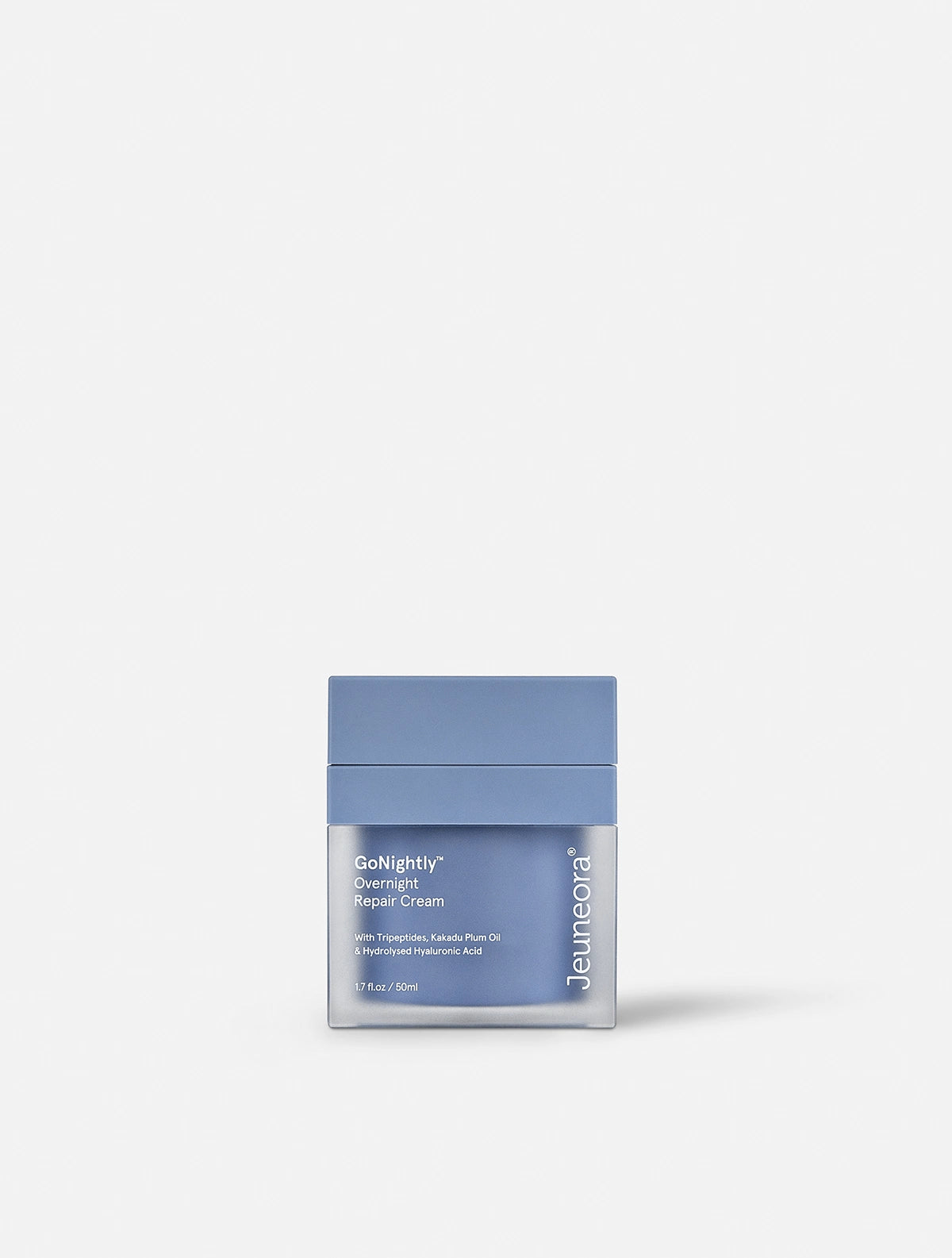
- Evening: Wind down with Beauty Sleep about 30 minutes before bed. Apply GoNightly as your last skincare step so your skin can soak up the hydration and tripeptides while you sleep, when your body does its deepest repair work
Consistency matters more than perfection. The research on gut microbiome changes shows that meaningful shifts happen over 8 to 12 weeks of sustained effort. Give your body time, and pay attention to how both your digestion and your skin respond.
The bottom line
Your gut and your skin are in constant conversation. When your gut is thriving, your skin has the foundation it needs to be clear, hydrated and resilient. When your gut is struggling, your skin is often the first place it shows.
The most effective approach to healthy skin isn't just topical. It's nourishing your gut from the inside with the right nutrition and prebiotics, supporting your body with collagen and rest, and protecting your skin barrier with gentle, microbiome-friendly skincare.
That's the inside-out approach. And it's one of the most powerful things you can do for your skin.