Does Collagen Help Anti-Wrinkle Injections Last Longer? The Honest Answer
September 18, 2026
Somewhere around your second or third appointment, the question usually arrives. You've found an injector you trust, you like how you look, and now you're wondering how to get more from it. Can anything make the results last longer? Does collagen help? Is there something you should be doing in the months between?
There's plenty of advice out there, and a fair amount of it is selling something. So here's the honest version, including the bit a collagen brand might prefer to skip.
One thing first. Whether you have anti-wrinkle injections is entirely your call. This isn't a case for or against. It's a guide for women who've already decided, and want their skin in the best possible shape either way.
The honest bit: collagen won't make your injections last longer
Anti-wrinkle injections (brands like Dysport and Botox) work by temporarily relaxing the small muscles that crease your skin when you frown, squint or raise your brows. The effect fades as the muscle gradually starts moving again. For most people that takes around three to four months.
What genuinely affects that timeline sits with your injector and your own body: the dose, how precisely it's placed, the area treated and how strong those muscles are. Many clinics also find that results hold a little longer with consistent, regular treatments, as the muscle gradually weakens over time.
Notice what isn't on that list. No powder, capsule or cream changes how long the muscle stays relaxed. If you've read that collagen "extends" your results, treat that claim with caution. We haven't seen good evidence for it, and we're not going to pretend otherwise.
So why is a collagen brand writing this? Because how long the muscle stays relaxed is only half of what you see in the mirror.
Why skin quality is the other half of the result
Injections work on muscle. They don't change the skin sitting over the top of it.
It helps to think about two kinds of lines. The first kind only shows up when your face moves, like the crease between your brows when you concentrate. Injections are very good at softening these. The second kind is there when your face is completely at rest, etched in over years of movement, sun and gradual collagen loss. How visible those are has a lot to do with the skin itself: how hydrated it is, how well it springs back, how much sun it has seen.
This is why two women can have the same treatment from the same injector and see quite different results. It's also why the conversation in aesthetics has shifted over the past couple of years, away from the frozen look and towards skin that looks healthy, rested and like you. Good injectors now talk about skin quality as much as they talk about units.
The good news is that skin quality is the part you can influence every single day, not just every few months.

What actually helps between appointments
Daily SPF, no exceptions. If you only do one thing on this list, make it this one. UV exposure is the biggest external driver of visible skin ageing, breaking down the collagen and elastin that keep skin firm. New Zealand and Australia have some of the harshest UV in the world, and it gets through cloud and car windows. Paying for injections and then skipping sunscreen is working against yourself. FullStop SPF50 Daily Glow Screen is made to be the last step of your morning routine, every morning, all year.
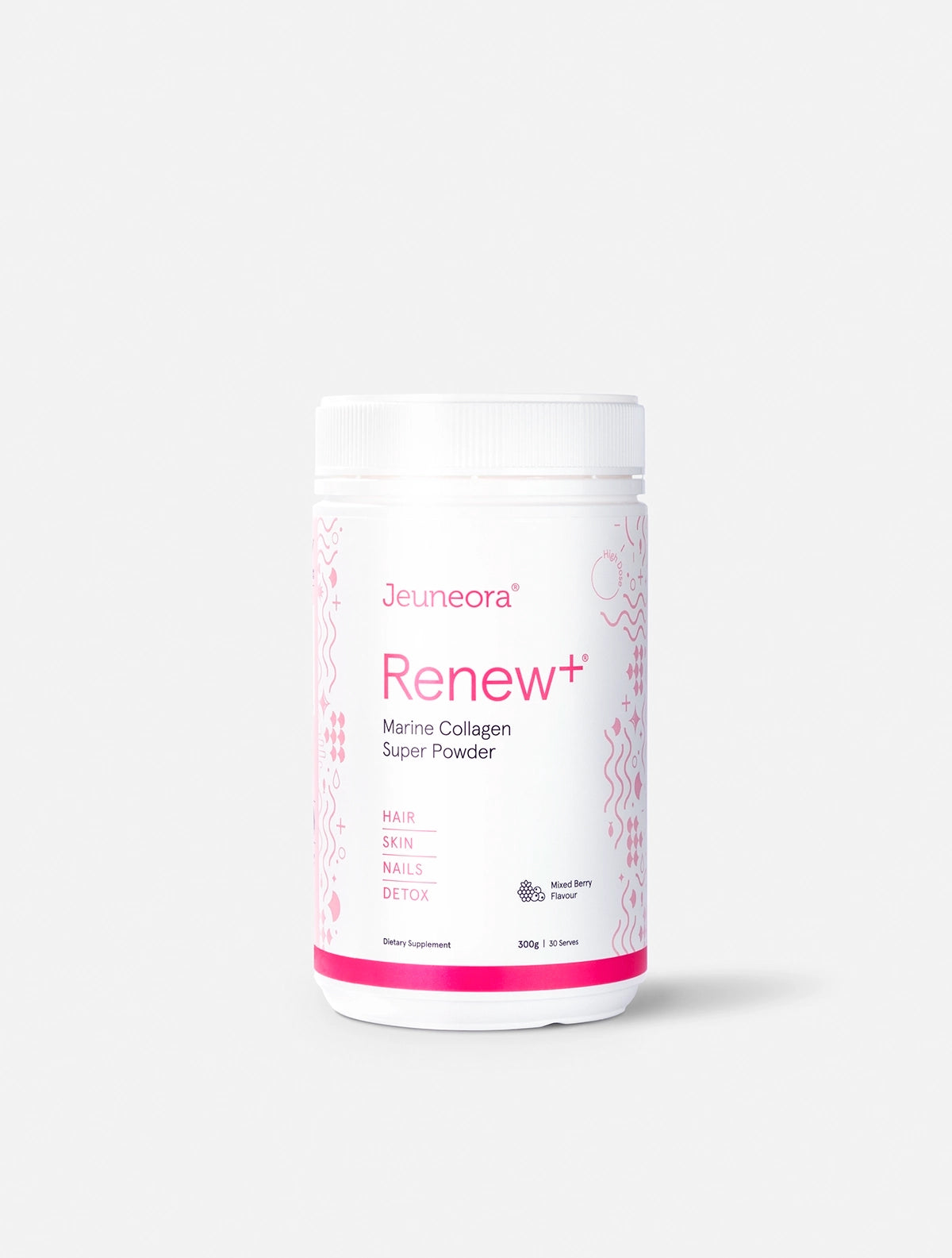
Collagen from within. Your body's own collagen production slows gradually from your mid twenties, and the drop gets steeper around perimenopause and menopause. Reviews of the research link consistent daily collagen peptides with improvements in skin hydration and elasticity, usually after eight to twelve weeks. Results vary between studies, and it's support, not a substitute for anything your injector does. Renew+ gives you 6g of Naticol® marine collagen peptides with 1000mg of vitamin C, which contributes to normal collagen formation, plus hyaluronic acid. If you want the detail, our complete guide to marine collagen covers how it works, and 5 signs your collagen is actually working covers what to look for and when.
Retinol at night. Retinol is the most studied skincare ingredient for the look of fine lines and uneven texture, which makes it a natural partner for the lines injections don't reach. Our Renewing Booster Advanced Retinol Serum is an evening step. Start with two or three nights a week, build up slowly, and keep that morning SPF going because retinol can make skin more sensitive to the sun.
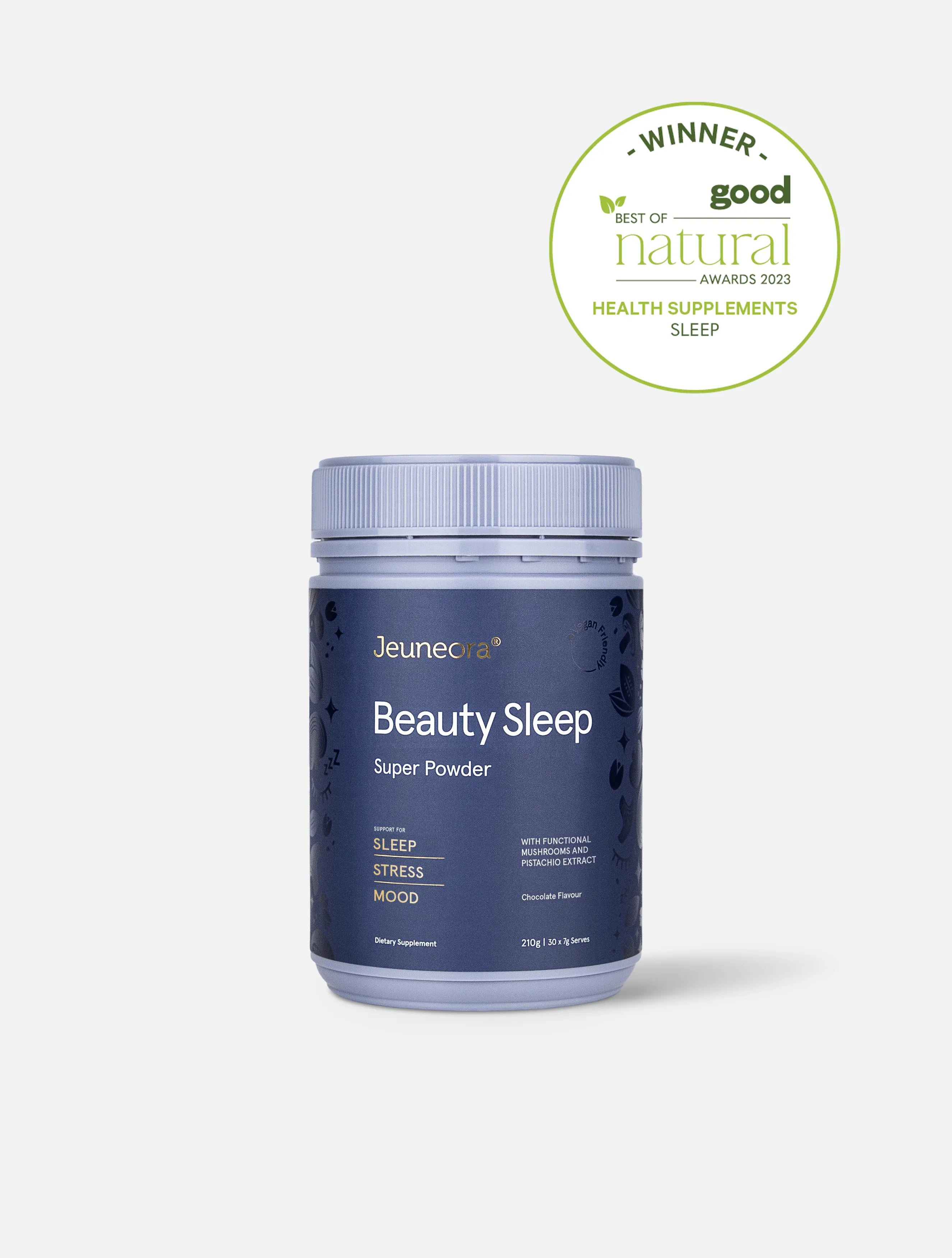
Sleep. Skin does much of its repair work overnight, and a run of short nights shows on your face faster than almost anything else. If switching off is the hard part, a wind down routine helps more than most gadgets. Beauty Sleep, our hot chocolate flavoured evening blend, was made for exactly that moment. We've also written about why you can't fall asleep if your nights need some attention.
The unglamorous basics. None of these are exciting, all of them show up in your skin:
- Don't smoke or vape. Smoking is one of the fastest routes to lines around the mouth and eyes.
- Eat enough protein, along with plenty of colourful fruit and vegetables for vitamin C.
- Drink water through the day, especially in heat pump season when indoor air dries skin out.
- Keep your appointments consistent rather than waiting until everything has fully worn off, if that's what your injector recommends for you.
Your skincare and supplements around appointment day
Most NZ clinics give similar guidance, and it's simple.
Before. Pause retinol and exfoliating acids for a few days beforehand. They can leave skin more sensitive, which isn't what you want on injection day. Everything gentle stays: cleanser, moisturiser, SPF.
After. For the first 24 hours, hands off. No rubbing or massaging the treated areas, which means skipping facial tools, firm cleansing and face-down massages. Most clinics also suggest staying upright for around four hours and leaving strenuous exercise, saunas and alcohol until the next day. Keep skincare bland for a day or two, then bring your retinol back in.
Your collagen. There's no known reason to stop. Collagen peptides are a food-derived protein, so your morning Renew+ carries on as normal. Do tell your injector about everything you take, though. Some supplements, such as fish oil and high-dose vitamin E, are commonly flagged for making bruising more likely, and they may suggest a short pause.
Your injector's instructions always win over a general guide. They can see your face, and we can't.
When to check in with a professional
Most side effects are mild and pass quickly, like a small bruise or a headache. If anything feels off or worries you after treatment, get in touch with your injector or GP. That's what they're there for.
Anti-wrinkle injections are generally not recommended during pregnancy or breastfeeding. If that's you, check with your midwife, GP or healthcare professional before booking anything, and before starting any new supplement.
Your face, your call
Injections can soften the lines that come from movement. They can't hydrate your skin, protect it from the sun, or undo what years of UV have already done. That part is the daily stuff: sunscreen, collagen, retinol, sleep.
Do both, do one, do neither. It's your face. But if you're investing in appointments, it makes sense to look after the skin they're working with. Start with SPF in the morning and Renew+ in your glass, and give it twelve weeks. Your injector might be the first to notice.